
How to Check Criminal History in DeKalb County
Start with the record that can answer the question. The DeKalb County Circuit Court Clerk holds adult files for Circuit, Criminal, and General Sessions Courts. The sheriff is the source for incident reports, booking sheets, jail status, and releasable warrant information. The Tennessee Bureau of Investigation maintains the broader state repository, and the Tennessee Department of Correction covers sentenced felony custody and supervision. Each record has a different purpose. A booking sheet proves custody at intake, while a judgment shows what the court finally decided.
Gather the full name, date of birth, a narrow date range, and any case, incident, or booking number before calling. Name spelling matters because Tennessee Open Records Information Services does not search aliases. Use this sequence:
- Ask the Circuit Court Clerk whether the matter belongs to General Sessions or Criminal Court and provide the name or case number.
- Check the clerk's published docket for a coming setting, but request the printed file or certified copy for the official result.
- Call the sheriff separately for a current or recent booking, incident report, or releasable warrant status.
- Order a TORIS name check when a Tennessee-wide, fingerprint-supported summary is needed.
- Compare the clerk disposition, sheriff record, and state result, then challenge any mismatch with the office that created it.
The official DeKalb County government page shows how county offices route residents to the right department.

That county route is useful for office contacts, but it is not a countywide criminal-history database. Record details still come from the clerk, sheriff, TBI, or TDOC.
Five DeKalb County Record Doors
DeKalb County criminal records are split by event and geography. The local clerk offers the deepest court detail. The sheriff knows about county custody. TORIS reaches across Tennessee but depends on fingerprints and reported outcomes. FOIL follows state felony custody or supervision, and the TBI registry serves a separate public-safety purpose. Choosing the wrong door can produce a true but incomplete answer.
| Official channel | Best record | Main limit |
|---|---|---|
| DeKalb Circuit Court Clerk | Docket, plea, disposition, judgment, sentence | DeKalb cases only |
| DeKalb Sheriff's Department | Incident, booking, jail, warrant information | No live public name portal located |
| TORIS | Tennessee fingerprint-supported arrest and outcome summary | Paid name match; aliases excluded |
| TDOC FOIL | Felony custody and supervision status | Not the county pretrial roster |
| TBI Sex Offender Registry | Registration status and public profile | Not a certified court file |
Use the court file to resolve filed charges and dispositions. Use the sheriff's record to establish intake and release. For the focused court process, the DeKalb County criminal court case record page explains how the clerk's file moves from charge through sentence.
Official Tennessee Background Checks
The Tennessee Bureau of Investigation is the central criminal-history repository. Its TORIS product, branded online as TN-FlexCheck, permits any requester to order a Tennessee-only name check. The nonrefundable charge is $29. It searches misdemeanor and felony arrests supported by fingerprint submissions and links them to outcomes reported by the courts. The result is a possible name match, not fingerprint proof that the subject and the record are the same person. Ordinary juvenile information is excluded unless a juvenile was transferred for adult prosecution.
A fingerprint route serves a different need. IdentoGO by IDEMIA, through Tennessee Applicant Processing Services, captures prints for checks authorized by law and requires the requesting agency's OCA code. People reviewing their own national record may use the FBI Identity History Summary process. A DeKalb County court search remains necessary when exact pleadings, motions, or certified dispositions matter.
| Product | Base fee | Identity basis |
|---|---|---|
| TORIS online or mail | $29 | Name and biographic data |
| TORIS record dispute | $24 | Fingerprints from local law enforcement |
| TAPS example program | $37.15 | Live Scan fingerprints and OCA authorization |
| FBI Identity History Summary | $18 FBI fee | Subject's fingerprints |
Note: TORIS is a name-match product, while an authorized fingerprint check uses prints and a program-specific legal basis.
Inside DeKalb County TORIS Requests
TORIS asks for requester details before the subject search. Exact input helps limit false matches, but the service still does not include aliases in its name search. Online customers may pay with Visa, MasterCard, or Discover. The mailed form also permits checks and money orders; personal-check results may be held while payment clears. TBI warns that the result PDF may not display well on every mobile device, so a desktop or laptop can be the safer choice.
| Field group | Required content | Important note |
|---|---|---|
| Requester identity | First and last name | Middle initial is optional |
| Requester contact | Address, city, state, ZIP, phone, email | Email must be confirmed |
| Subject identity | Name and date of birth | Spelling is critical; aliases are not searched |
| Subject details | Sex and race | Used to narrow the request |
| Sensitive identifier | Social Security number if supplied | Use only the official TBI portal |
The official TORIS search interface displays the public name-check route and current product terms.
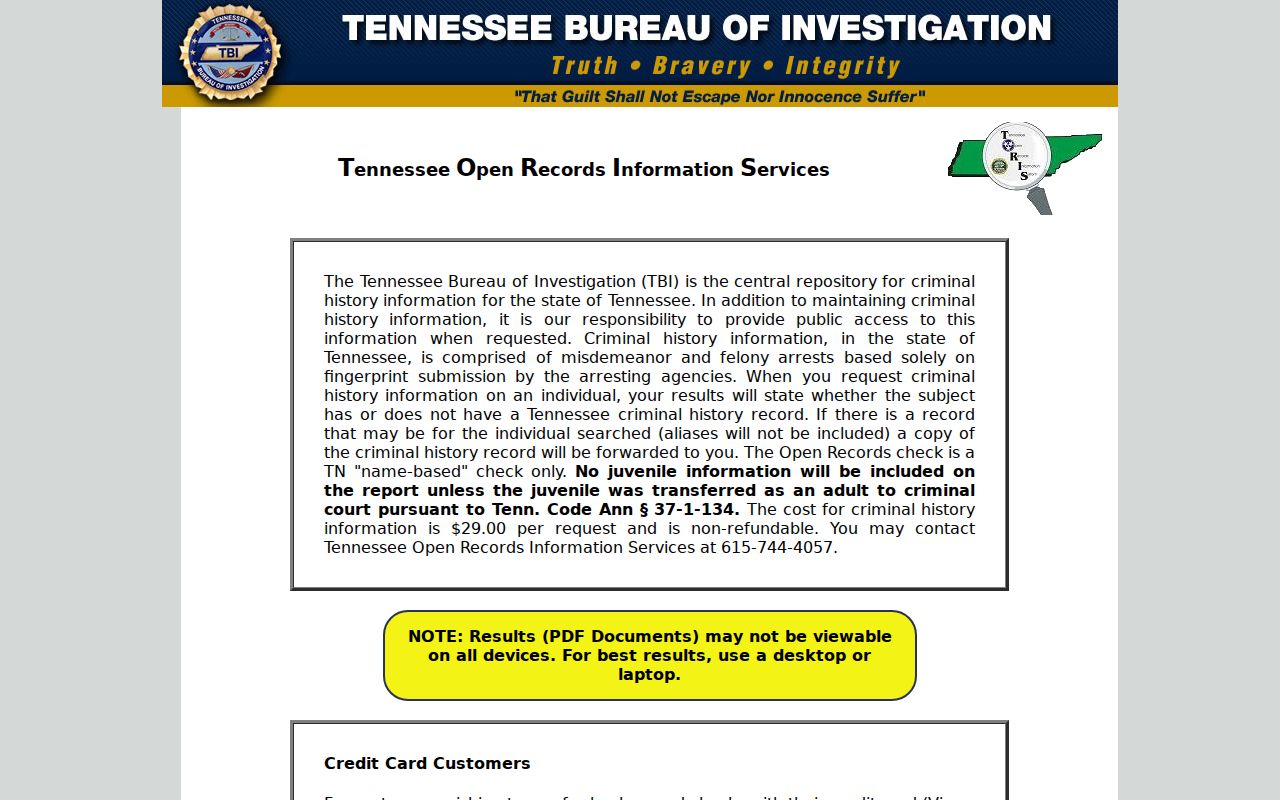
The interface shows why TORIS is a statewide product rather than a replacement for a DeKalb County court jacket or booking sheet.
The TORIS requester registration screen provides the contact and account path used before payment.
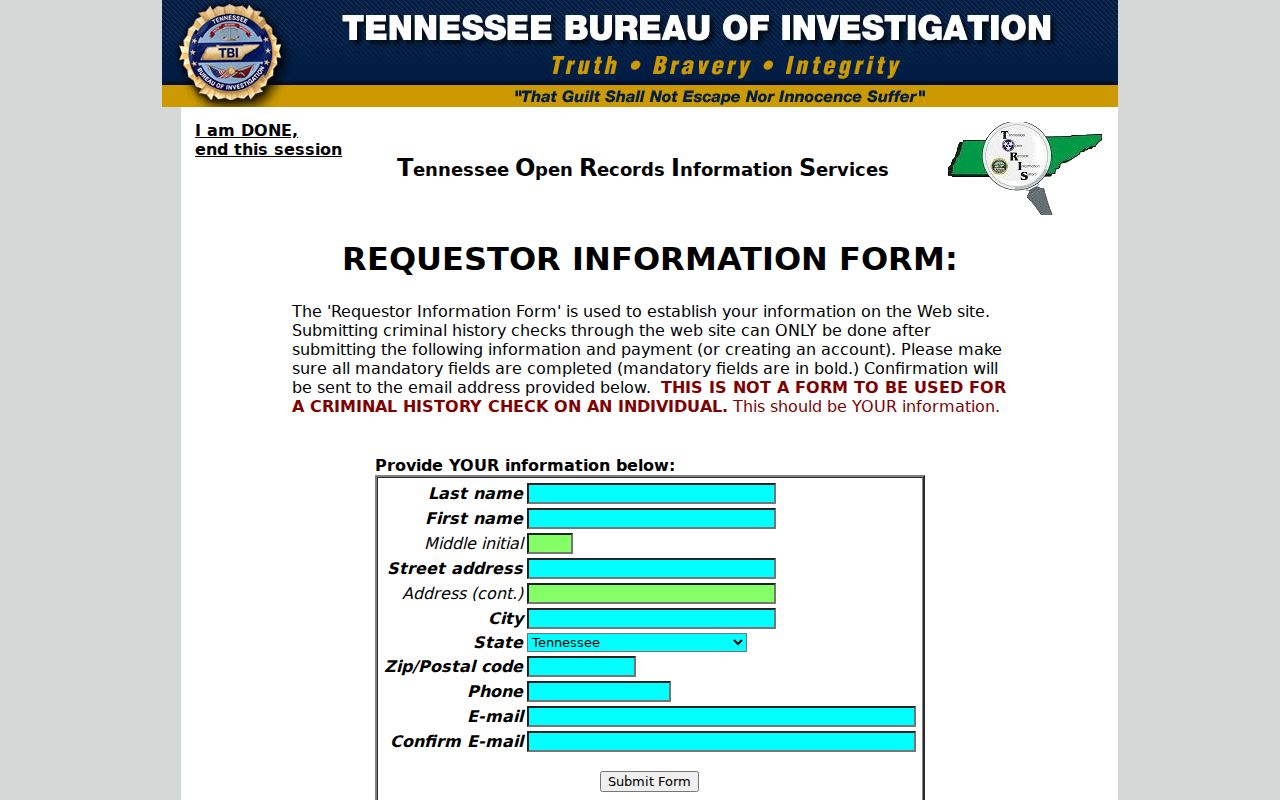
Those requester fields are separate from the subject identifiers, which reduces the chance of entering a purchaser's data in the wrong part of the form.
Types of Criminal Records
A DeKalb County criminal record may refer to several documents. The originating law-enforcement agency writes the incident and arrest narrative. The jail creates the booking record after custody. Prosecutors and courts create complaints, indictments, dockets, orders, and judgments. TBI later links qualifying fingerprint submissions with dispositions. TDOC and the Board of Parole then hold state custody or supervision data when a sentence reaches that level.
- Arrest and booking records: show alleged conduct, intake, initial charge, bond, and release, but do not prove guilt.
- Criminal court files: show filed charges, hearings, pleas, motions, disposition, sentence, costs, and later orders.
- Repository histories: summarize fingerprint-supported Tennessee arrest cycles and outcomes reported to TBI.
- Warrant records: originate with a judge or court and may have access limits while active, sealed, or unexecuted.
- Custody and registry records: track distinct state-supervision or public-registration duties, not the whole case history.
Police reports remain agency-specific. A Smithville event starts with Smithville police, an Alexandria event starts locally, and an unincorporated event starts with the sheriff. The county has no official all-agency report portal.
Note: Ask for the record by its exact name because no DeKalb County office compiles every record type into one file.
DeKalb County Sheriff Record Fallback
No separately branded records division, public request portal, live inmate search, or active-warrant name search was found on the official DeKalb County site. The safe route is the Sheriff's Department at 100 Public Square, Smithville, TN 37166. Call 615-597-4935 or 615-597-4043, or fax 615-597-2536. Ask for a specific item, such as an incident report, booking sheet, jail log, warrant status, dispatch entry, 911 audio, or body-camera file.
A written Tennessee Public Records Act request should identify the event date, time, location, agency, record type, and known number. A Tennessee citizen may be asked for government photo identification with an address. The custodian must provide prompt access or, when that is not practical, respond within seven business days with the record, the legal ground for denial, or the time reasonably needed. Ask for a releasable redacted copy when part of a file is protected.
DeKalb Sheriff's Department
100 Public Square
Smithville, TN 37166
615-597-4935
Circuit Court Clerk
1 Public Square, Room 201
Smithville, TN 37166
615-597-5711
The official sheriff profile and contact page confirms the sheriff's county role and contact route.
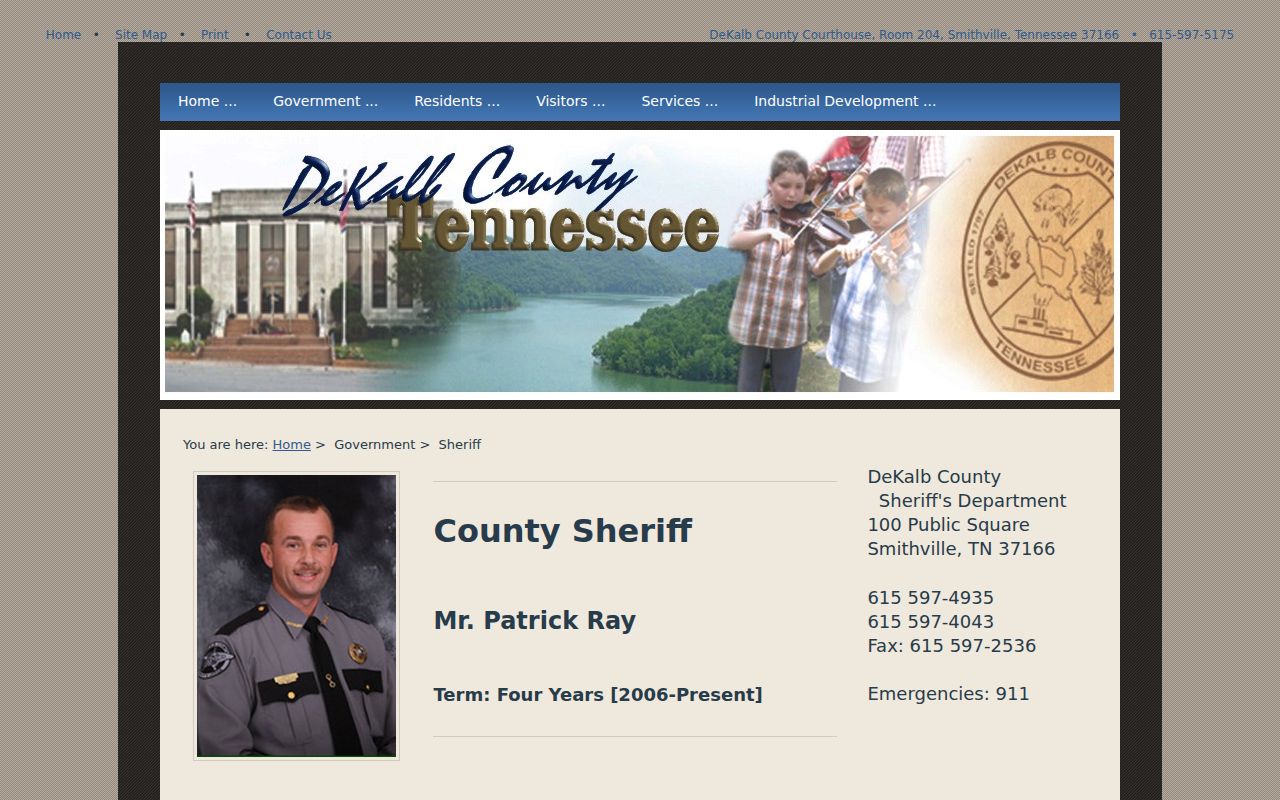
The county page supports direct contact when an online tool is absent. It does not promise that every active or protected record will be disclosed.
Note: The anonymous tip line serves investigative tips, not routine record requests, and emergencies still belong on 911.
What a DeKalb County Criminal Record Shows
The visible fields depend on the custodian. A TBI history groups submitted identity data, fingerprint-supported arrests, and reported dispositions. A clerk file centers on the case number, court, charges, docket events, plea, result, and sentence. A booking sheet centers on intake, charge, bond, release, and custody identifiers. Personal identifiers, protected victims, medical facts, juvenile material, and sealed content may be removed from a public copy.
| Name and Identifiers | Submitted name, date of birth, sex, race, and official state or local identifiers when public. |
|---|---|
| Arrest and Booking | Arrest date, agency, intake, booking number, initial charge, bond, release, or transfer. |
| Charges and Statutes | Charge text, cited Tennessee law, offense class, and amendments reflected in the court file. |
| Disposition | Conviction, dismissal, acquittal, nolle prosequi, diversion, or other recorded result. |
| Sentence | Confinement, probation, restitution, fines, costs, or concurrent and consecutive terms. |
| Custody or Supervision | County jail status, TDOC location, probation, parole, release, or inactive status when available. |
- Disposition
- The outcome of a charge, such as conviction, dismissal, or acquittal.
- Nolle prosequi
- The prosecutor's formal choice not to continue that charge.
- Capias
- A court order directing an arrest, often after failure to appear or comply.
- Judicial diversion
- A Tennessee route that defers judgment and may end in dismissal and expungement.
Why DeKalb County Records Disagree
A sheriff booking, clerk case, and TBI history answer different questions. The arresting agency reports the initial allegation. The jail records custody. The court later records the filed charge and final result. TBI depends on the fingerprint submission and on the disposition reported after court. A citation that was not fingerprinted may never create a repository cycle, while a delayed disposition can leave a state entry looking unfinished.
When TORIS shows an arrest with no result, get the final DeKalb County order from Room 201. Then contact the clerk or TBI about the missing outcome. When the court dismissed a charge but the booking remains public, ask whether the case qualifies for expungement. Printed official court documents control over provisional docket material. No one source should be treated as error-free merely because it is online.
Public Access Laws
Tennessee law begins with access to public records, then applies specific limits. The DeKalb County clerk expressly states that adult records are public and juvenile records are excepted. Law-enforcement files may also lose protected victim details, medical or security facts, and active investigative material. A narrow request helps the custodian identify what can be inspected or copied.
Key Tennessee laws:
T.C.A. §10-7-503 gives Tennessee citizens access to public records unless another law makes them confidential.
T.C.A. §10-7-504 identifies confidential material and supports limited nonpublic retention after an expungement.
T.C.A. §38-6-120 authorizes the TBI public-dissemination framework used through TORIS.
Tennessee Supreme Court Rule 34 governs public court-record access while preserving required confidentiality and redaction.
T.C.A. §40-32-101 sets the main grounds and process for criminal-record expungement.
An office may charge authorized copy or labor costs, but no local DeKalb fee schedule was found. Confirm cost before ordering a large file. A denial should identify the legal basis, and a requester can ask whether a redacted portion is available.
Note: Tennessee public-record access can permit redaction of protected facts without closing the rest of an adult DeKalb County file.
DeKalb County Custody Record Paths
Current county custody begins with the sheriff because no official live DeKalb inmate roster was located. A dated county arrest report can show a past snapshot, but it is not guaranteed to reflect the present. After a felony sentence and transfer, the relevant source changes to TDOC's Felony Offender Information Lookup. FOIL can show a photograph, TOMIS ID, status, location, offense, sentence, parole-hearing information, and release data. It does not show a local jail pod, current pretrial bond, or DeKalb booking number.
VINELink supplies custody notifications by phone, text, email, or app. MyTN also provides official mobile access to FOIL. No verified DeKalb sheriff or city police app was found. Recent county notices describe funding activity for a new jail and an inmate transport van, so current facility and vendor facts should be confirmed directly.
The Federal Bureau of Prisons inmate locator is the federal custody route when a DeKalb-connected matter led to federal imprisonment.
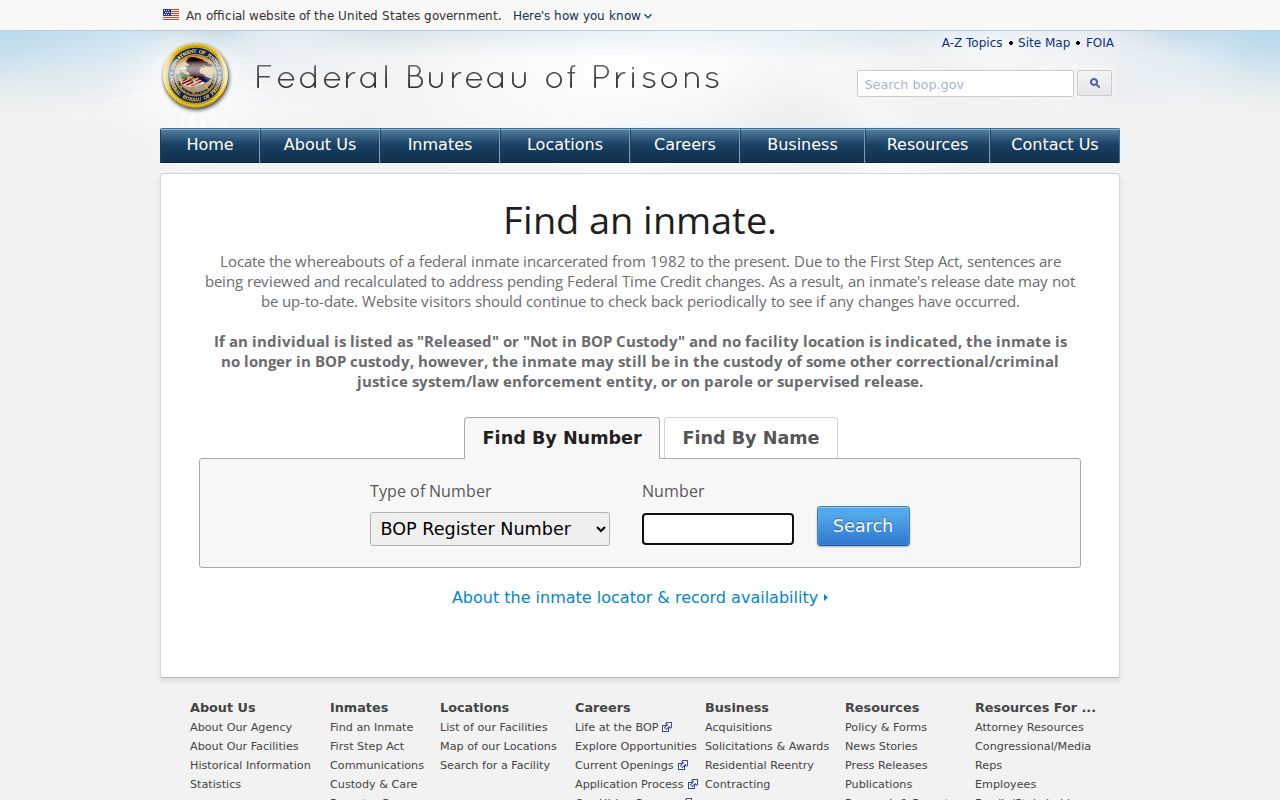
The federal locator is separate from both DeKalb County custody and TDOC FOIL, which is why the sentencing court matters before searching.
Sealed, Expunged, and Restricted Records
Juvenile records are the clearest local restriction. DeKalb County's clerk excludes them from ordinary public access. Expungement can remove qualifying public records, but it is not automatic just because a charge was dismissed. The process begins in the court where the DeKalb charge ended, usually through the Circuit Court Clerk in Room 201. Non-conviction outcomes, diversion, certain pardons, and specified convictions have different statutory grounds.
After a judge signs the order, the clerk sends it through the reporting chain to the agencies that hold related records. Limited confidential data may remain under Tennessee law even when public entries are removed. A person reviewing their own history should compare the final order with TORIS after processing. If a repository entry remains, use the TBI dispute route and provide the court disposition.
Protected victim and minor identities, Social Security numbers, account data, medical facts, security details, and active investigative information may be redacted without sealing the whole adult file. Ask what part can be released instead of assuming a blank search means the event never existed.
Note: A signed expungement order may reach separate record systems at different times, so later comparison is often needed.
DeKalb County Warrant Record Fallback
DeKalb County has no official active-warrant name search. An absent web result therefore says nothing conclusive. Call the sheriff, then call the Circuit or General Sessions clerk with the name and case number. Smithville and Alexandria city courts may hold municipal failure-to-appear matters. Ask for the issuing court, case number, charge, issue date, bond, and status. Some sealed, juvenile, search, and unexecuted warrants may not be confirmed publicly.
A capias may follow a missed court date or failure to comply with an order. Contact the issuing clerk or counsel for appearance and bond instructions. Do not assume that a payment alone resolves the process. A narrow Tennessee Public Records Act request can seek releasable warrant information, but law-enforcement safety and active-investigation limits still apply.
Criminal Records by City in DeKalb County
City police reports and municipal citations begin locally, while felony files, county misdemeanors, jail bookings, and statewide records move to county or state custodians. Smithville and Alexandria have documented city court routes. Liberty has no separate police records portal or city court entry in the official sources reviewed, so residents use the DeKalb County sheriff and clerk.
Smithville Criminal History
5,004 residents in 2020. City reports and citations begin locally; county cases and bookings move to Public Square.
Alexandria Criminal History
966 residents in 2020. City Court is the first contact for municipal records and routing.
Liberty Criminal History
310 residents in 2020. Sheriff and county clerk channels replace a separate city portal.
Federal DeKalb County Criminal Records
Federal cases tied to DeKalb County belong to the U.S. District Court for the Middle District of Tennessee, not the county clerk. PACER provides federal docket access by court, party, or case number. It requires an account and generally charges ten cents per page, subject to the current quarterly waiver rules. The federal court file can show charges, motions, pleas, orders, and judgment that will not appear as a DeKalb County prosecution.
The official PACER portal supplies the federal case-search route.
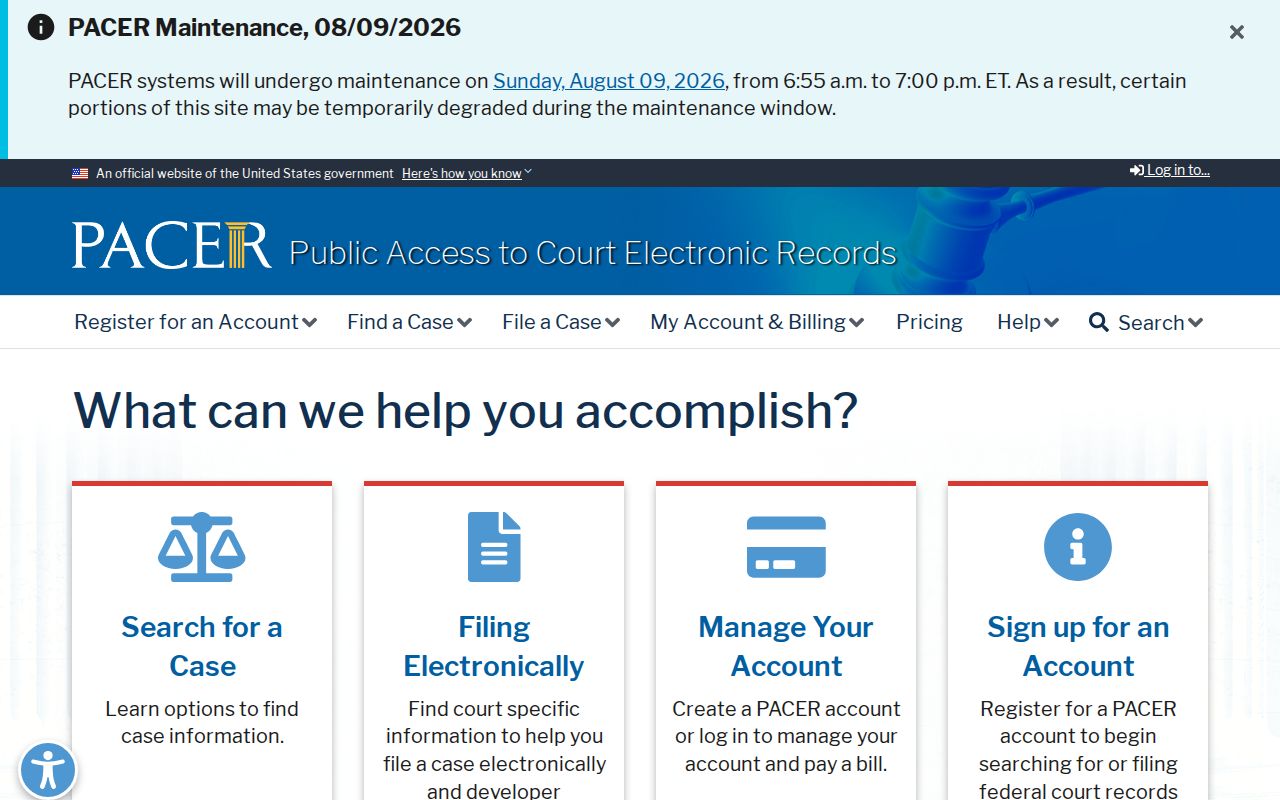
PACER's court and case fields help separate a federal prosecution from a similarly named state or county matter.
People seeking their own national fingerprint-supported history may use the FBI Electronic Departmental Order portal.
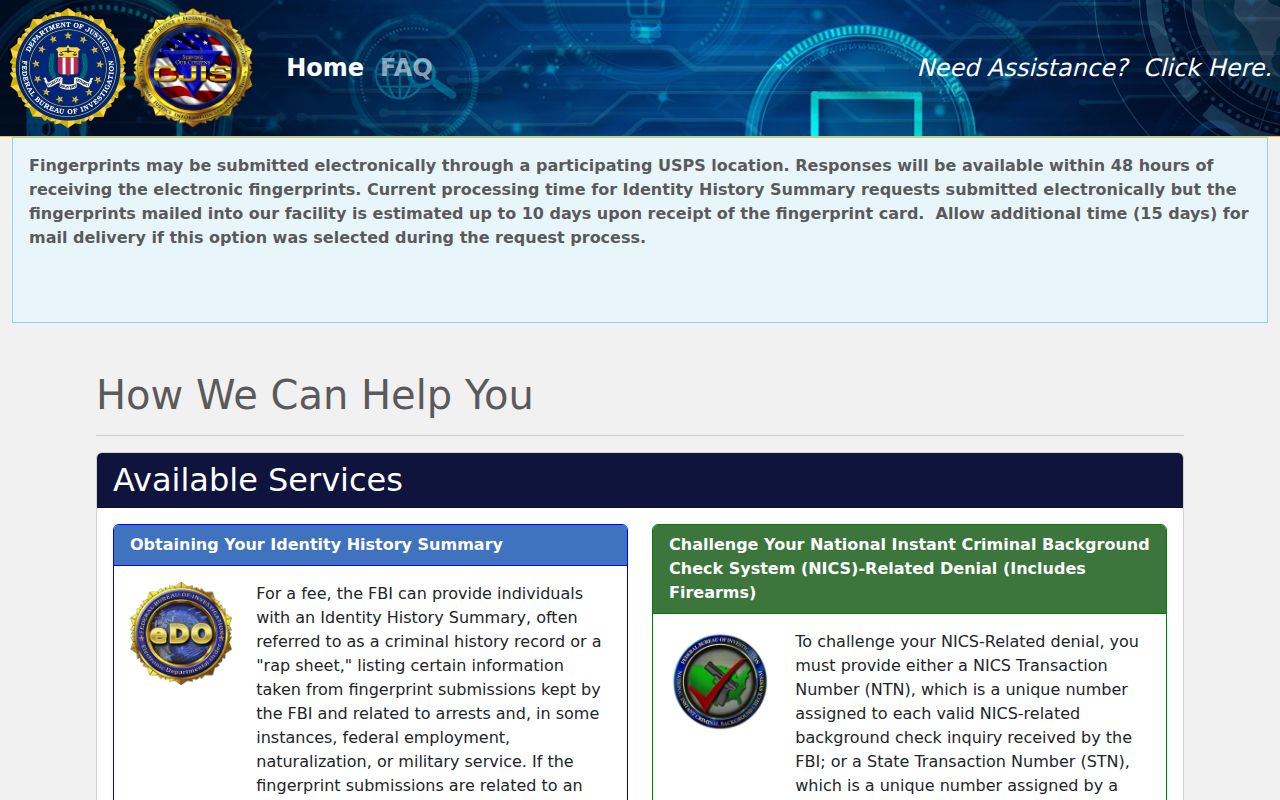
The FBI summary is subject-only and national in scope. It does not replace the detailed pleadings and certified orders in a DeKalb County or federal court file.
Reading DeKalb County Crime Records
DeKalb County had 20,080 residents in the 2020 census and covers 304.3 square miles. Smithville is the largest city, while Alexandria and Liberty are much smaller. Small annual incident counts can create sharp rate swings. Crime data should therefore be filtered by agency, year, and offense type, then labeled as incidents, arrests, or clearances. Sheriff data must not be mixed with Smithville or Alexandria police data.
The official Tennessee CrimeInsight dashboard provides those agency and year filters.
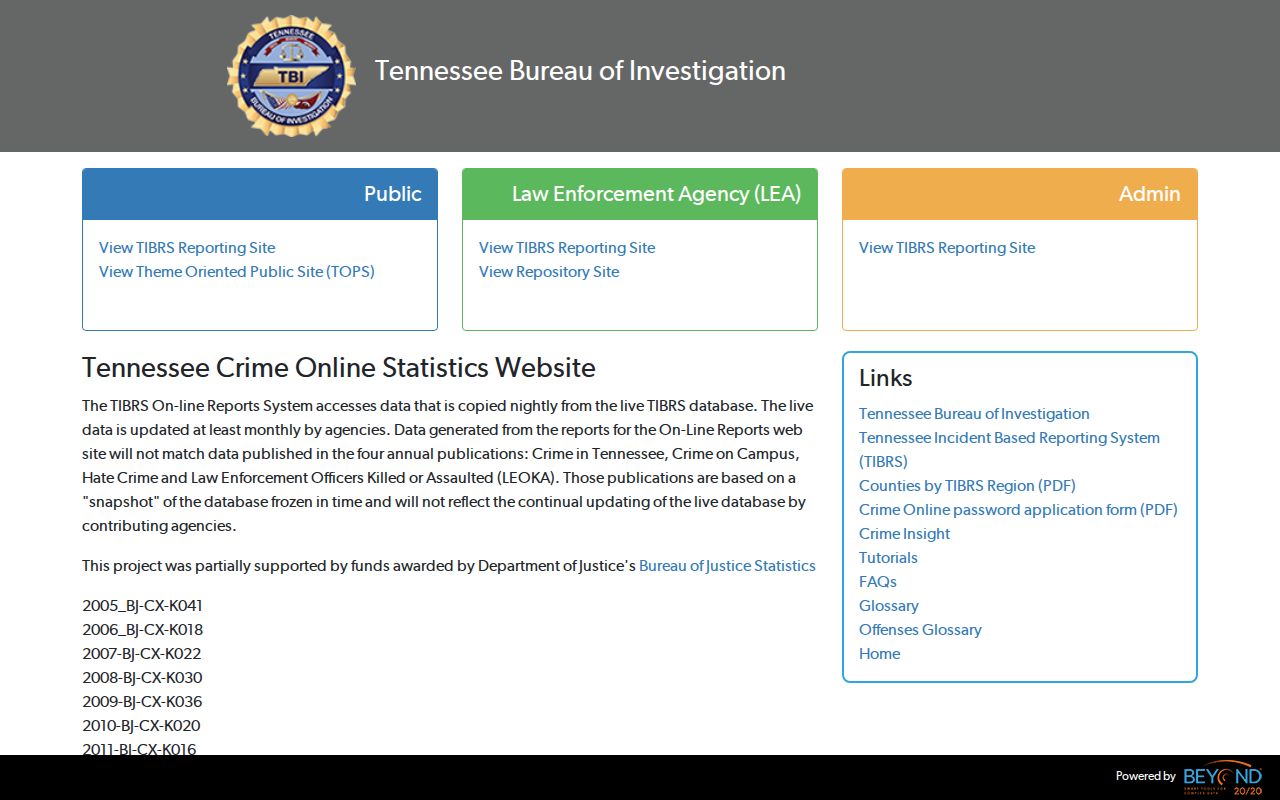
CrimeInsight supplies aggregate context, not a person's criminal history. A low or high yearly rate also cannot establish what happened in one court case.
DeKalb County was formed in 1837, and its justice offices still cluster around Smithville's Public Square. That compact geography can hide the institutional divide: the sheriff, clerk, city court, TBI, and TDOC keep separate records even when several offices are close together. Current county notices about a Mental Health Court and jail construction also mean program and facility details can change.